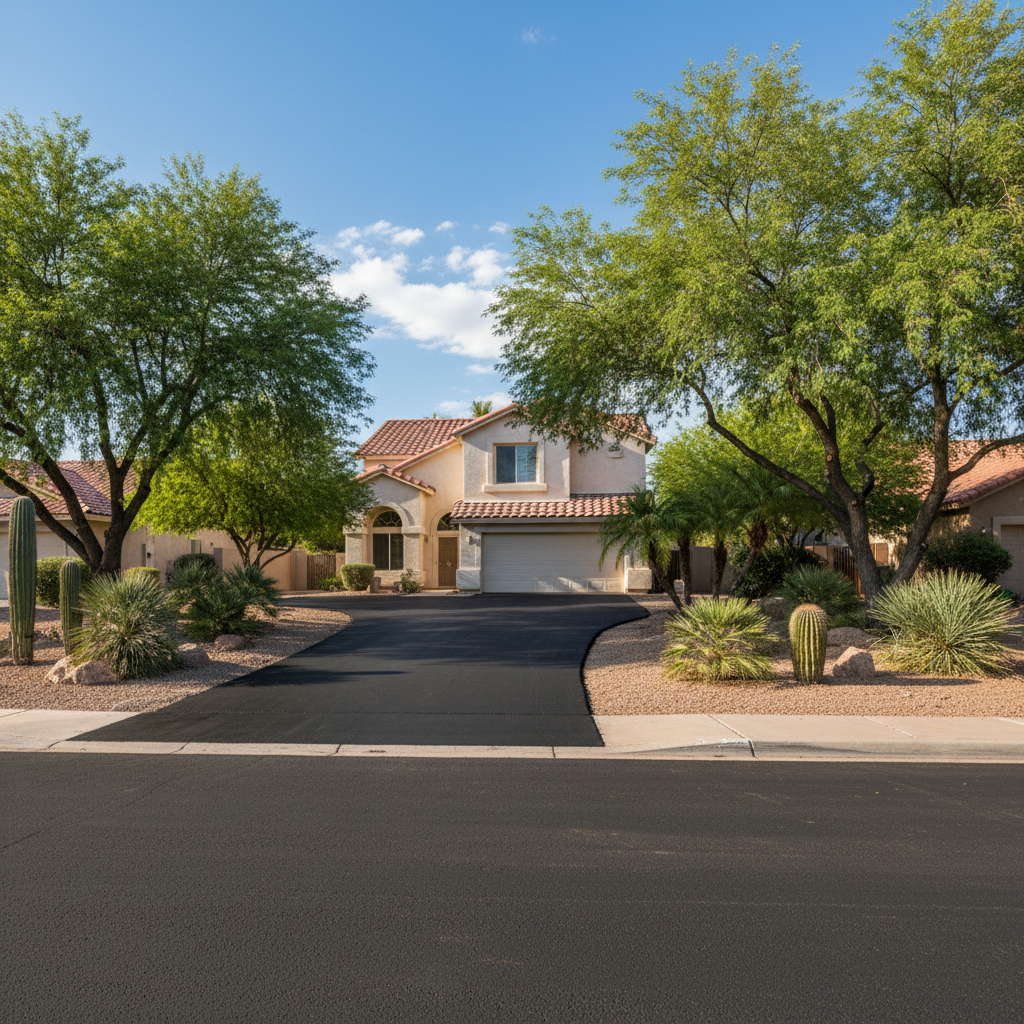
Alright, let's talk about getting your asphalt repaired. Nobody wants a cracked driveway or a pothole-ridden path, especially with our Arizona sun beating down on everything. If you're a homeowner in Tempe looking to fix up your asphalt, you've come to the right place. I'm going to lay out what you should expect, how to get ready, and what questions you absolutely need to ask before you commit to anything.
Understanding the Timeline for Asphalt Repair
When it comes to asphalt repair, it's usually not a long haul; most standard patching projects can be wrapped up pretty quickly. For typical repairs, like patching potholes or fixing cracks, we're usually talking about 1 to 3 days from start to finish. If it's a bigger job, like resurfacing, that might stretch to 1 or 2 days. Full replacements, which are a much larger undertaking, could take 2 to 4 days.
The best time to get these repairs done in Tempe is generally during the cooler, drier months – think late fall through early spring, roughly October to April. The intense summer heat here can be brutal on asphalt, and those monsoon rains can turn a small crack into a big problem fast. So, planning for repairs outside of peak summer helps make sure the materials cure properly and last longer. After the work is done, the new asphalt usually needs about 24-48 hours before it can handle heavy vehicle traffic. Patience, right?
What to Expect During the Process
So, what actually happens when we show up to fix your asphalt? The process typically involves a few key steps:
- Damage Assessment: First, we'll do a thorough inspection to figure out what's really causing the problem. Is it just surface cracks, or is there an issue with the sub-base underneath? Understanding the root cause helps us pick the right repair method, whether that's crack sealing, patching, or something more involved.
- Surface Preparation: This part is crucial. We'll cut out and remove the damaged sections, making sure the edges are clean and precise. Then, we clean and compact the underlying sub-base. We're talking about removing any loose asphalt, debris, weeds, or even grass that's found its way in. Sometimes, we might even mill or roughen the surface to help the new asphalt stick better.
- Applying New Material: A binding agent, or tack coat, goes down to help the old and new asphalt bond together. Then, the new hot-mix asphalt is laid down. For patches, this often means laying down an asphalt base of at least 2 inches, compacted, and then an asphalt cap of 1.5 to 3 inches. For resurfacing, it's typically a 1.5 to 2-inch layer spread evenly across the whole area.
- Compaction and Cleanup: The new asphalt gets compacted to ensure a smooth, durable finish that matches the existing surface. Finally, we clean up the site, making sure all debris is removed.
How to Prepare Your Property
You can help make the repair process smoother and quicker. Here's how to get your property ready:
- Clear the Area: Move any vehicles, trailers, or other obstructions from the driveway or the spot being repaired. You'll want to keep them clear for at least 24-48 hours after the repair is done.
- Remove Debris: Sweep away any loose leaves, dirt, or large debris from the asphalt surface. If there's grass or weeds growing in cracks, try to pull those out too.
- Mark Sprinkler Heads/Utilities: If you have any sprinkler heads, low-voltage lighting, or buried utility lines near the repair area, mark them clearly. This helps prevent accidental damage, which nobody wants.
- Ensure Access: Make sure the crew has clear access to the work area.
- Keep it Dry: If possible, ensure the area is dry. Water and crack filler don't mix well, and any moisture can cause the repair to fail.
Questions to Ask Before Signing a Contract
Before you sign on with any contractor, you've got to ask the right questions. This isn't just about getting the job done; it's about getting it done right and protecting your investment. Here's what I'd ask:
- Are you licensed and insured? This is non-negotiable. They should have proper licenses and comprehensive insurance (general liability and workers' compensation). Ask for proof. You don't want to be liable if someone gets hurt or property gets damaged, do you?
- Can you provide references or examples of past work? A good contractor will have a portfolio and happy customers. Ask for references for jobs similar to yours, and actually check them.
- What does your estimate include? Get a detailed, written estimate that breaks down all costs: materials, labor, equipment, and any additional services. Make sure it specifies the type and thickness of asphalt they'll use and the project timeline. Ask about any potential unforeseen expenses.
- What kind of asphalt mix will you use? Our Tempe climate is tough. You want to make sure they're using materials that can stand up to the intense heat and occasional monsoon downpours.
- What's your timeline for completion? Get a clear idea of when they can start and how long it'll take. Also, ask about factors that might cause delays, like bad weather.
- How will you prepare the site? Understanding their prep work will tell you a lot about the quality of the repair. Make sure they're planning to clean, remove debris, and address the sub-base properly.
- What's your cleanup process? You don't want to be left with a mess. Confirm they'll remove all debris and leave your property tidy.
- What kind of warranty or guarantee do you offer? A reputable company like Alpha Asphalt Tempe should stand behind their work.
Asking these questions will give you a clear picture of what to expect and help you choose a contractor you can trust. Don't rush into anything, and make sure you feel comfortable with their answers.